
This article will explain How to Prevent Gum Disease: 8 Smart Habits for a Healthier Smile.
What Is Gum Disease?
Gum disease, also called periodontal disease, is an infection of the gums caused by bacteria in dental plaque.
It ranges from mild inflammation (gingivitis) to severe infection (periodontitis) that can damage the soft tissue and bone supporting your teeth.
If untreated, gum disease can lead to tooth loss, bad breath, and even impact your overall health, including increasing your risk for heart disease and diabetes.
Early Signs and Symptoms

Knowing the warning signs of gum disease can help catch it before it worsens:
- Bleeding gums while brushing or flossing
- Swollen, red, or tender gums
- Persistent bad breath or bad taste
- Receding gums
- Loose or sensitive teeth
- Pain while chewing
If you experience any of these symptoms, consult your dentist immediately.
What Causes Gum Disease?
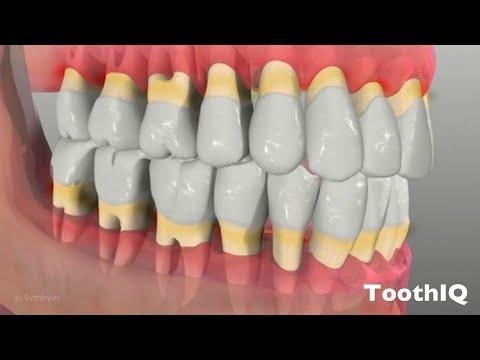
The primary cause is plaque buildup, a sticky film of bacteria on your teeth. When not removed by brushing and flossing, plaque hardens into tartar, which irritates the gums.
Other risk factors include:
- Smoking or chewing tobacco
- Poor oral hygiene habits
- Diabetes
- Pregnancy or hormonal changes
- Crooked teeth that trap plaque
- Certain medications
- Genetics
8 Proven Ways to Prevent Gum Disease

1. Brush Your Teeth Twice a Day

Use a soft-bristled toothbrush and fluoride toothpaste to gently clean along the gumline. Don’t rush — brush for at least 2 minutes each time.
2. Floss Daily

Flossing is crucial to remove food particles and plaque from between your teeth, where your toothbrush can’t reach.
3. Use an Antibacterial Mouthwash

An ADA-approved mouthwash can help reduce bacteria and control plaque. Choose one with chlorhexidine or essential oils for added protection.
4. Visit Your Dentist Every 6 Months
Routine dental cleanings help remove tartar and detect gum disease early. Your dentist can also guide you with personalized oral hygiene advice.
5. Avoid Smoking
Tobacco use is a major risk factor for gum disease. Quitting smoking can significantly improve your gum health.
6. Eat a Balanced Diet
Nutrients like vitamin C, calcium, and omega-3 fatty acids support strong gums. Avoid excess sugar and acidic foods that promote plaque buildup.
7. Manage Stress
Stress affects your immune system and can make it harder to fight infections, including gum disease. Practice mindfulness or relaxation techniques.
8. Consider Professional Deep Cleaning (Scaling & Root Planing)
If you’re prone to gum problems, your dentist may recommend a deeper cleaning procedure that goes below the gumline to remove tartar and bacteria.
Why Prevention Matters
Preventing gum disease is far easier — and less costly — than treating it. Early-stage gum disease (gingivitis) is reversible, but advanced gum disease (periodontitis) may require long-term treatment, including surgery.
Maintaining your gum health helps:
- Keep your teeth for life
- Prevent painful infections
- Reduce healthcare costs
- Improve your confidence and smile
Maintaining good oral hygiene is just the beginning. Limiting the intake of sugary snacks and beverages can significantly reduce the chances of plaque buildup that leads to gum disease. Additionally, staying hydrated helps in producing enough saliva, which naturally cleanses the mouth and neutralizes harmful bacteria.
People with diabetes or compromised immunity should be even more cautious, as they are more prone to periodontal problems. Using an antimicrobial mouthwash can also offer an extra layer of protection. If you smoke, quitting is one of the best things you can do — tobacco use is a leading risk factor for gum disease.
According to the American Dental Association (ADA), “gingivitis and periodontitis are preventable with good oral hygiene and regular dental visits.” The ADA emphasizes the importance of brushing twice a day, flossing daily, and scheduling dental checkups to detect early signs of gum disease before they progress.
How White Art Dentistry Can Help
At White Art Dentistry, we believe in proactive dental care. Our expert team offers:
- Comprehensive gum evaluations
- Gentle cleanings and advanced periodontal therapy
- Personalized oral hygiene plans
- Education on proper brushing and flossing techniques
Whether you’re dealing with bleeding gums or want to maintain a healthy mouth, we’re here to support you.
Book your check-up today at www.whiteartdentistry.com/contact-us and take the first step toward a healthier smile.